Regulatory Changes in the Fintech Landscape: Implications for Market Participants
As regulatory frameworks evolve, the fintech market faces significant changes that could reshape its future. This article explores the implications of recent regulations on various fintech sectors.

Table of contents
The Evolution of Fintech RegulationsKey Regulatory DevelopmentsImpact on Digital PaymentsEnhancing Security MeasuresImpact on CompetitionTransformations in Lending PracticesTransparency in LendingImpact on Alternative Lending ModelsBlockchain and Cryptocurrency RegulationsRegulatory Clarity for CryptocurrenciesRisks Associated with DeFiInternational Regulatory CoordinationCollaborative EffortsChallenges in HarmonizationConclusionFAQWhat are the main regulatory changes affecting fintech companies?How do these regulations impact small fintech startups?Are there benefits to the increased regulation in fintech?What is the role of international regulatory bodies in fintech?How can fintech companies prepare for regulatory changes?Regulatory Changes in the Fintech Landscape: Implications for Market Participants
The fintech industry has been a focal point of innovation, attracting both entrepreneurs and investors eager to capitalize on its rapid growth. However, as the sector matures, regulatory bodies worldwide are intensifying their scrutiny, resulting in new frameworks that could significantly impact market dynamics. This article delves into the recent regulatory changes affecting the fintech landscape and their implications for various market participants.
The Evolution of Fintech Regulations
Historically, fintech has operated in a somewhat grey area, often outpacing regulatory frameworks designed for traditional financial institutions. However, as fintech companies expand their reach and influence, regulators have recognized the need for a structured approach to mitigate risks associated with consumer protection, financial stability, and illicit activities.
Key Regulatory Developments
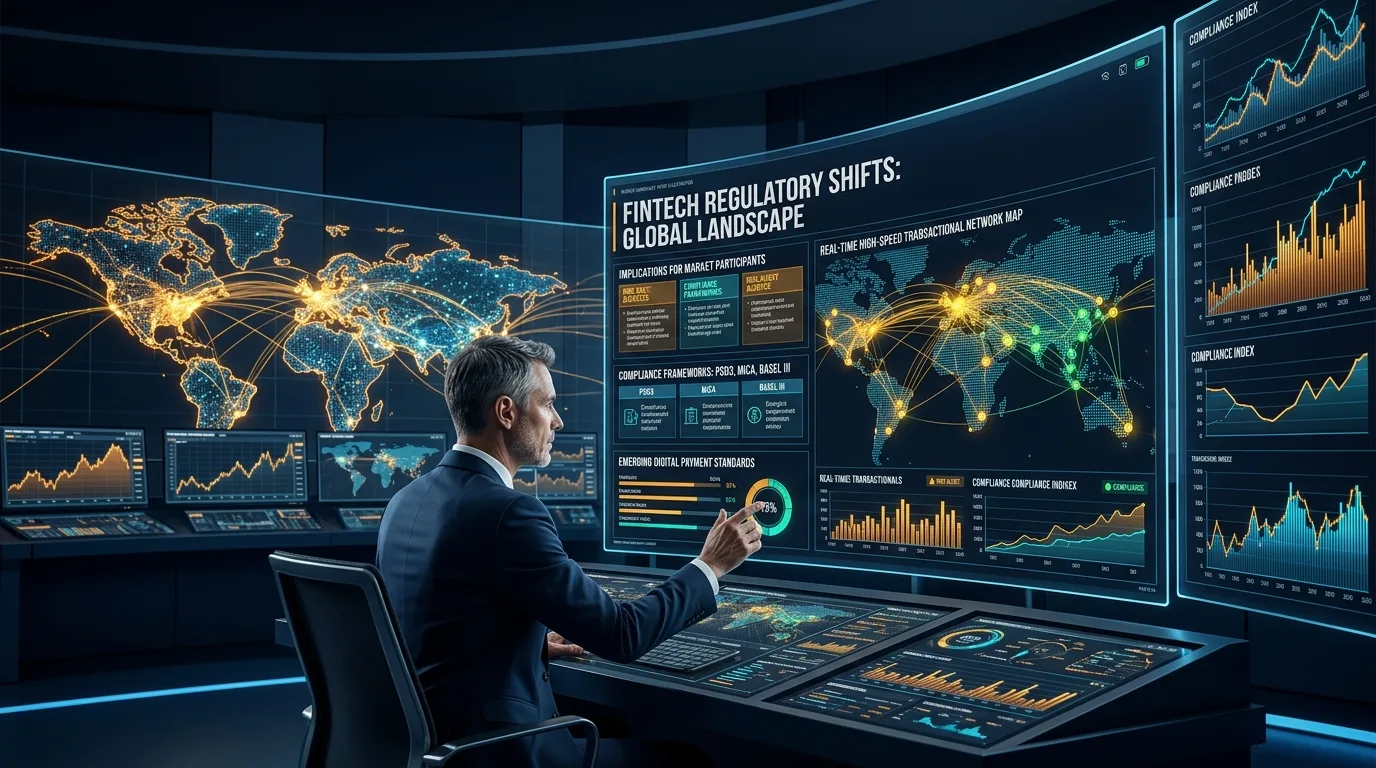
Recent regulatory developments have included the introduction of comprehensive frameworks in various jurisdictions. In the European Union, the Markets in Crypto-Assets (MiCA) regulation aims to provide clarity for crypto-assets, while the Payment Services Directive 2 (PSD2) has already transformed the payments landscape by promoting competition and transparency.
In the United States, the Biden administration's focus on consumer protection has led to increased scrutiny of digital lending practices and the need for greater transparency in fees and interest rates. These developments indicate a shift towards a more structured regulatory environment that could either facilitate or hinder innovation.
Impact on Digital Payments
The digital payments sector has witnessed unprecedented growth, accelerated by the COVID-19 pandemic. As consumers increasingly turn to contactless payment methods, regulatory bodies are responding by implementing measures to ensure security and consumer protection.
Enhancing Security Measures
Regulators are emphasizing the need for robust security protocols to protect against fraud and data breaches. For instance, the introduction of stronger Know Your Customer (KYC) and Anti-Money Laundering (AML) requirements has placed additional burdens on fintech companies. While these measures aim to enhance security, they may also increase operational costs for startups and smaller players.
Impact on Competition
As traditional banks and fintech firms alike adapt to new regulations, the competitive landscape is evolving. Established banks may leverage their resources to comply more efficiently, potentially sidelining smaller fintech firms that lack the same financial backing. This could lead to a consolidation of the market, where only those companies capable of navigating the regulatory maze will thrive.
Transformations in Lending Practices
The lending sector has also experienced significant regulatory changes, particularly concerning consumer protection. New regulations aim to address predatory lending practices and ensure that borrowers are treated fairly.
Transparency in Lending
One of the most notable changes is the push for greater transparency in lending practices. Regulations now require lenders to disclose comprehensive information about interest rates, fees, and the total cost of loans. This shift is designed to empower consumers and enable them to make more informed choices.
Impact on Alternative Lending Models
Alternative lending models, such as peer-to-peer lending and buy-now-pay-later services, are also under scrutiny. As regulators seek to impose stricter guidelines on these services, the operational models of many fintech companies may need to adapt to meet compliance requirements. This could lead to changes in how these platforms operate and their overall profitability.
Blockchain and Cryptocurrency Regulations
Blockchain technology and cryptocurrencies have emerged as significant players in the fintech ecosystem, prompting regulators to develop frameworks that address their unique challenges. The rise of decentralized finance (DeFi) has further complicated the regulatory landscape.
Regulatory Clarity for Cryptocurrencies
Regulatory clarity around cryptocurrencies is essential for fostering innovation while protecting consumers. The introduction of regulations like MiCA in Europe aims to provide a comprehensive framework for crypto-assets, addressing issues such as custody, trading, and taxation. However, the pace of regulation varies significantly across jurisdictions, leading to a patchwork of compliance requirements that can be challenging for global operators.
Risks Associated with DeFi
Decentralized finance platforms present unique risks, including potential vulnerabilities to hacking and the lack of consumer protections. Regulators are increasingly focusing on how to mitigate these risks without stifling innovation. This balancing act will be critical as the DeFi sector continues to grow.
International Regulatory Coordination
As fintech operates in a global environment, international regulatory coordination is becoming increasingly important. Regulatory bodies are recognizing that fragmented regulations can create challenges for cross-border operations.
Collaborative Efforts
Organizations such as the Financial Stability Board (FSB) and the Basel Committee on Banking Supervision (BCBS) are working towards establishing more cohesive regulatory standards. These efforts aim to create a level playing field for fintech companies operating internationally and to mitigate systemic risks.
Challenges in Harmonization
Despite these collaborative efforts, harmonizing regulations across jurisdictions remains a significant challenge. Differences in regulatory philosophies, economic conditions, and market maturity can hinder the establishment of a unified framework. As a result, fintech companies may continue to face compliance hurdles when expanding into new markets.
Conclusion
The evolving regulatory landscape presents both challenges and opportunities for fintech market participants. While increased scrutiny and compliance requirements may pose operational hurdles, they also provide an opportunity for companies to build consumer trust and demonstrate their commitment to responsible practices.
As the industry continues to adapt to these changes, market participants must remain vigilant and proactive in navigating the regulatory environment. Understanding the implications of these regulations will be crucial for companies aiming to thrive in the increasingly competitive fintech landscape. This article is for educational information only and is not financial advice.
FAQ
What are the main regulatory changes affecting fintech companies?
Recent regulatory changes include stricter KYC and AML requirements, transparency mandates in lending, and the introduction of frameworks for cryptocurrencies and digital payments.
How do these regulations impact small fintech startups?
Small fintech startups may face increased operational costs and compliance challenges, which could hinder their ability to compete with larger, established institutions.
Are there benefits to the increased regulation in fintech?
Yes, increased regulation can enhance consumer protection, build trust in the fintech sector, and promote responsible business practices.
What is the role of international regulatory bodies in fintech?
International regulatory bodies aim to create cohesive standards to facilitate cross-border operations and mitigate systemic risks associated with fintech activities.
How can fintech companies prepare for regulatory changes?
Fintech companies can prepare by staying informed about regulatory developments, investing in compliance infrastructure, and engaging with regulators to ensure their voices are heard.
Related Articles

Regulatory Changes in the Fintech Sector: Implications for Market Participants
This article explores recent regulatory changes in the fintech sector and their implications for market participants, hi...

Regulatory Changes Impacting the Fintech Landscape: A Deep Dive
This article explores the recent regulatory changes affecting the fintech market, how companies are adapting, and the im...
Regulatory Shifts in the Fintech Landscape: Implications for Market Participants
Recent regulatory changes are reshaping the fintech industry, prompting companies to adapt to new compliance requirement...